Ethernet high capacity
Connect centres when data volumes demand more capacity.
High-capacity Ethernet retains a Layer 2 (L2) interface. It suits replication and backups; measure volume, window and concurrent traffic before sizing.
Ethernet simplifies the interface but does not guarantee a diverse route or protection on its own.
Let’s talk
How it works
Size data-centre connectivity around the data it must carry.
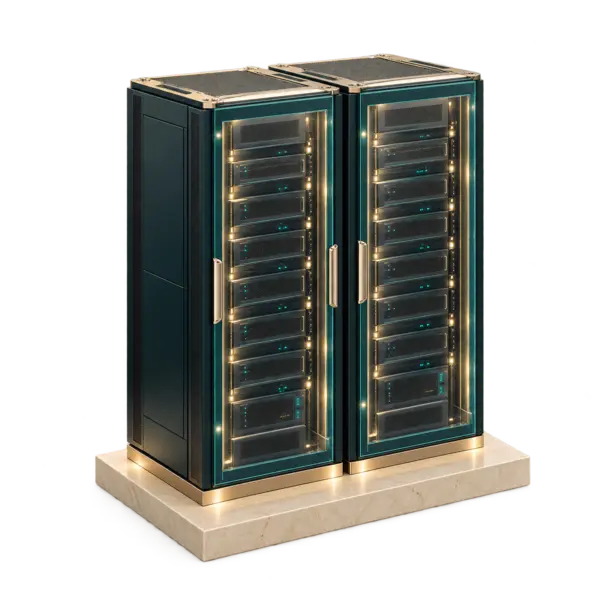 Data centre A
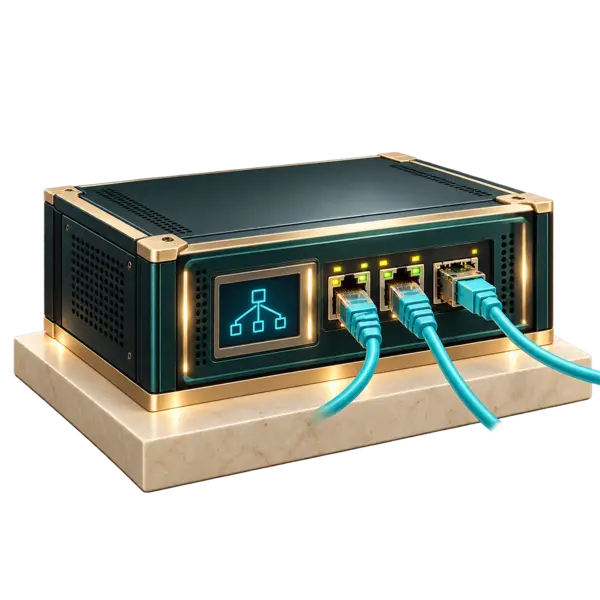 Layer 2 Ethernet transportData centre B
From data volume to circuit design
Start with volume, transfer window and concurrent traffic. Layer 2 handover connects data-centre equipment; routing and security remain separately defined.
Validate port speed, committed capacity, VLAN and MTU. For replication, add storage-platform latency and protocol constraints.
Data centre ALayer 2 Ethernet transportData centre BWhen backup misses its window
Compare offered load and effective transfer, errors, congestion and server limits. Nominal port speed is not application throughput.
When backup and replication overlap, adjust windows and agreed priorities before upgrading. Define the metric that will demonstrate improvement.
Data centre ALayer 2 Ethernet transportData centre BNetwork continuity and data consistency
An alternative circuit must support essential load and avoid shared failure domains. The application determines how it handles disconnection, delay or queued data.
Test failure, recovery and resynchronisation. A restored link is not the same as a fully consistent replica.
Illustrative case: from situation to decision
- Situation
- The overnight backup does not finish before morning activity begins.
- Option
- Calculate useful throughput from volume, window and concurrent flows; check storage too.
- Check
- Measure a representative backup and replication consistency, not just port speed.
More Ethernet capacity does not replace replication design, storage or application recovery.
Decisions for your project
- Demand
- Volume, windows, concurrency and expected growth.
- Endpoints
- MTU, VLAN, ports and actual server/storage capacity.
- Recovery
- Alternative route, essential service and consistency validation.
From design to operation
Measure representative load, size the circuit and accept it using transfer and recovery tests.
Complements, alternatives and variants
Product sources
What challenge would you like to solve?
Tell us what is happening and what needs to change. You do not need to know the catalogue.
What happens next?
- Understand the context
What’s changing, where your teams work and what cannot fail. Still defining the brief? We can help structure it.
- Design the options
Bring needs, Colt capabilities and technical criteria together. Compare alternatives and explain dependencies and limits.
- Validate before committing
Coverage, feasibility, responsibilities and terms. A commercial proposal is developed with the relevant specialists.
ColtPlatinum guides the project and coordinates commercial discussions and follow-up. Colt validates feasibility, enters into the service contract, and provisions, installs and delivers the services.
Availability, coverage, capabilities, SLAs and timelines are subject to technical validation and contract. No diagram is a service guarantee.