Security & resilience
Protecting connectivity, applications and access takes different controls.
An attack saturating access, an incorrect traffic rule and an unauthorised user are different problems. Tell us what is exposed and who needs access so we can identify the appropriate protection.
Let’s talk
Colt capabilities to consider
Protection and continuity
 MitigationTreat attacks by service variant.
 Security rulesDefine permissions and inspection.
 ContinuityPlan alternatives and recovery.
Three complementary functions, not a universal physical chain. DDoS and firewalls address different risks.
When it matters
Connect each risk to a control and a way to test it.
- A public service is unreachable
- Distinguish a legitimate peak from a saturation attack to guide mitigation and service checks.
- A new site or application
- Define sources, destinations and permissions before opening firewall rules.
- Remote users and third parties
- Map identity, device and application to establish who may access what.
- Continuity under pressure
- Review access, application and operational response: one security control cannot address every dependency.
Criteria for your project
- What is exposed?
- List public services and protocols to distinguish saturation protection from connection controls.
- Who needs access?
- Identify employees, third parties and devices to define specific access policies.
- Which flows should be allowed?
- Map source, destination and purpose; test both authorised access and blocking of unauthorised access.
- Who responds and changes rules?
- Agree notifications, escalation and approvals so every incident has an owner.
- How will we know it works?
- Test a real user task and application dependencies, as well as whether the connection responds.
Questions worth asking
Does DDoS protection replace a firewall?
No. DDoS mitigation addresses distributed denial-of-service attacks; a firewall controls traffic according to rules. Identify whether the risk is saturation or unauthorised access and review both controls when they overlap. Neither covers every attack.
How do SD-WAN, SSE and SASE differ?
SD-WAN is software-defined wide area networking. SSE (Security Service Edge) groups cloud-based access controls; SASE (Secure Access Service Edge) combines networking and security. Map users, applications and connections to select components and avoid duplicated controls.
How do we define the service level?
Start with business impact and the recovery time you need. Then compare scope, exclusions and responsibilities with Colt’s offered service level agreement (SLA). Contractual coverage is specified for the service and option concerned.
An isolated product is rarely the complete answer.
A resilient public service
Illustrative case: a website needs to remain accessible during a saturation attack. IP Access supplies connectivity, DDoS mitigates the attack and the firewall controls flows. Also check that the application and legitimate users can operate.
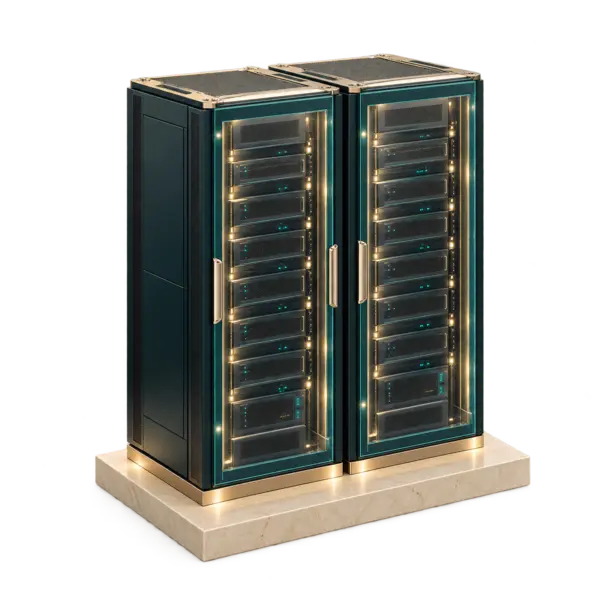
MitigationTreat attacks by service variant.Security rulesDefine permissions and inspection.ContinuityPlan alternatives and recovery.Three complementary functions, not a universal physical chain. DDoS and firewalls address different risks.
Distributed access
Illustrative case: a third party accesses an internal application. SSE provides access controls; SD-WAN can organise site paths within a SASE design. Define identity and permissions, then test authorised access, denial and contingency.
Explore Colt’s sources
- DDoS · mitigation scopeOpens in a new tab
- Firewall · rules and managementOpens in a new tab
- SSE · access controlsOpens in a new tab
- SASE · networking and securityOpens in a new tab
Availability, coverage, capabilities, SLAs and timelines are subject to technical validation and contract. No diagram is a service guarantee.
What challenge would you like to solve?
Tell us what is happening and what needs to change. You do not need to know the catalogue.
What happens next?
- Understand the context
What’s changing, where your teams work and what cannot fail. Still defining the brief? We can help structure it.
- Design the options
Bring needs, Colt capabilities and technical criteria together. Compare alternatives and explain dependencies and limits.
- Validate before committing
Coverage, feasibility, responsibilities and terms. A commercial proposal is developed with the relevant specialists.
ColtPlatinum guides the project and coordinates commercial discussions and follow-up. Colt validates feasibility, enters into the service contract, and provisions, installs and delivers the services.
Availability, coverage, capabilities, SLAs and timelines are subject to technical validation and contract. No diagram is a service guarantee.