Private & Public Cloud
Decide where each workload runs and who operates it.
Private platforms and public infrastructure management are different options. When you need more than connectivity, review resources, dependencies and responsibilities.
The exact scope depends on the platform, region, management, sovereignty and contracted responsibilities.
Let’s talk
How it works
Decide where each workload runs and who operates it.
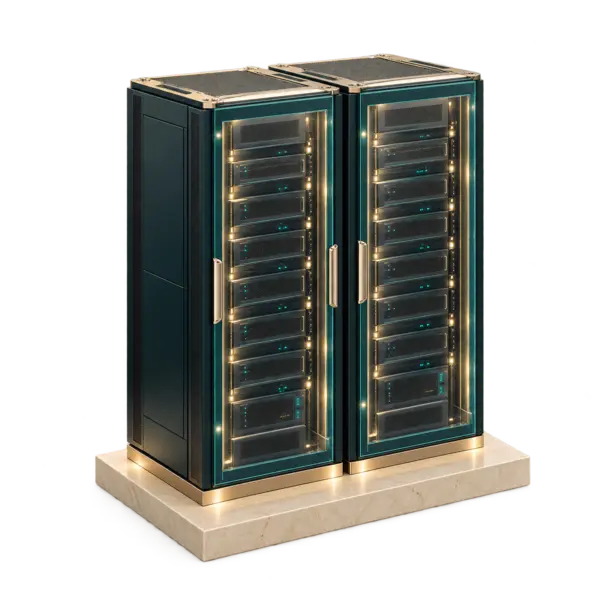 Private infrastructure
 Agreed operations
 Public platform
Platform, connection and management
Colt Private Cloud provides a private platform for workloads and hybrid integration. Public Cloud includes public infrastructure management through Colt Cloud Manager (CCM). These are distinct models that can coexist, not mandatory steps in a chain.
Validate workloads, data location and each provider’s operations. Separate platform, operating system and connectivity: DCA alone does not include servers or administration.
Private infrastructureAgreed operationsPublic platformLocate the bottleneck
Check CPU, memory, storage and application dependencies alongside networking and DNS. Oversized infrastructure can remain slow when the database is the bottleneck.
The proposal should state what is measured, who sees it and who acts. This supports decisions on resources, architecture or connectivity.
Private infrastructureAgreed operationsPublic platformA backup is not the recovery plan
Define acceptable service loss and data recovery needs. Replicas, backups, identities and dependency startup require owners and tests.
Another region or platform only helps if the application can operate there. Redundant networking is one part of the plan, not the entire plan.
Illustrative case: from situation to decision
- Situation
- One workload needs dedicated resources; another has variable public infrastructure usage.
- Option
- Compare a private platform and managed public infrastructure for each workload.
- Check
- Agree who operates each layer, check data recovery and review the full cost.
This section groups solution models; it does not imply one Colt package including hosting, backup and management.
Decisions for your project
- Workloads and data
- Dependencies, location, identity and capacity requirements.
- Responsibilities
- Platform, operating system, application, security and contracted support.
- Recovery and cost
- Recovery objectives, tested backups, licensing and variable consumption.
From design to operation
Assess workloads, define offer scope and responsibilities, then migrate in phases with restoration tests.
Complements, alternatives and variants
Product sources
What challenge would you like to solve?
Tell us what is happening and what needs to change. You do not need to know the catalogue.
What happens next?
- Understand the context
What’s changing, where your teams work and what cannot fail. Still defining the brief? We can help structure it.
- Design the options
Bring needs, Colt capabilities and technical criteria together. Compare alternatives and explain dependencies and limits.
- Validate before committing
Coverage, feasibility, responsibilities and terms. A commercial proposal is developed with the relevant specialists.
ColtPlatinum guides the project and coordinates commercial discussions and follow-up. Colt validates feasibility, enters into the service contract, and provisions, installs and delivers the services.
Availability, coverage, capabilities, SLAs and timelines are subject to technical validation and contract. No diagram is a service guarantee.