DCA Ethernet / Wave
Choose cloud connectivity by the interface and control you need.
For Dedicated Cloud Access (DCA), Ethernet provides Layer 2 (L2) transport; Wave provides Layer 1 (L1) optical transport. For high-capacity requirements, review interfaces and responsibilities together.
The layer and optics change the operating model; Wave is not necessary for moderate workloads.
Let’s talk
How it works
Choose the transport layer that fits your equipment and cloud connection.
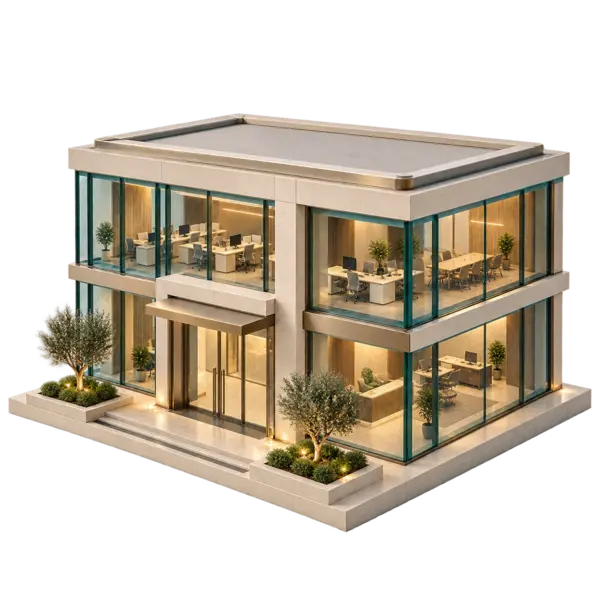 Office / data centre
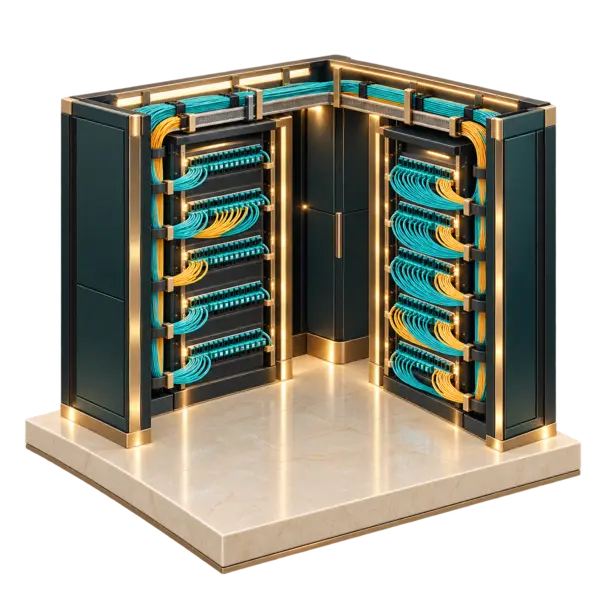 Agreed handover
 CSP port
Ethernet: Layer 2 connectivity
Ethernet handover carries frames between the location and cloud on-ramp. Agree port, VLAN tagging, MTU, capacity and the CSP-specific presentation.
The responsible party or a managed option configures cloud routing. An active Layer 2 service does not prove application prefixes are reachable.
Office / data centreAgreed handoverCSP portWave: Layer 1 optical transport
Wave delivers optical transport between agreed interfaces. Port and optics compatibility, route and cloud-location availability determine the design.
It fits cases where capacity and transport control are decisive. It does not take over IP routing, tenant configuration or application protection.
Office / data centreAgreed handoverCSP portProtect the whole journey
For either variant, redundancy includes ports and access, not only the Colt network segment. Review CSP and site failure domains.
Test transport and routing separately, with enough capacity during failure. An alternative route on paper does not prove end-to-end continuity.
Illustrative case: from situation to decision
- Situation
- A data centre needs to move large volumes to a cloud region.
- Option
- Compare Ethernet and Wave by interface, capacity and routing ownership.
- Check
- Confirm cloud-port compatibility, path protection and performance with representative data.
Ethernet and Wave are different variants, not layers that always need to be bought together.
Decisions for your project
- Variant
- Layer 1 or Layer 2, interface and routing ownership.
- Compatibility
- CSP port, VLAN/MTU where relevant, optics and locations.
- Paths
- Protection, diversity and separate transport and application tests.
From design to operation
Compare interfaces and responsibilities before bandwidth alone; validate a complete connection with the CSP.
Complements, alternatives and variants
Product sources
What challenge would you like to solve?
Tell us what is happening and what needs to change. You do not need to know the catalogue.
What happens next?
- Understand the context
What’s changing, where your teams work and what cannot fail. Still defining the brief? We can help structure it.
- Design the options
Bring needs, Colt capabilities and technical criteria together. Compare alternatives and explain dependencies and limits.
- Validate before committing
Coverage, feasibility, responsibilities and terms. A commercial proposal is developed with the relevant specialists.
ColtPlatinum guides the project and coordinates commercial discussions and follow-up. Colt validates feasibility, enters into the service contract, and provisions, installs and delivers the services.
Availability, coverage, capabilities, SLAs and timelines are subject to technical validation and contract. No diagram is a service guarantee.